Having a CPAP user’s spouse involved may improve adherence. A study in the April issue of the Journal of Clinical Sleep Medicine followed 23 married men who were treated with continuous positive airway pressure. CPAP is the first-line treatment for sleep apnea. The men reported that when their spouse’s assisted them with CPAP, they were more likely to use the treatment.
Researchers looked at whether the spouses were encouraging or negative about their husband’s using CPAP, and whether they collaborated or were demanding. When spouses worked with their husbands, there was a moderate influence improving CPAP adherence. When spouses were negative or demanding, or even encouraging, there was no effect on CPAP compliance. The study suggested that physicians could improve CPAP compliance by teaching spouses how to become involved.
Truck drivers are not the best judges at diagnosing their own sleep apnea, a new study reports. Research showed that self-diagnosis and symptom reports fell far short of determining sleep apnea when compared to home testing. Only 4 percent of 517 commercial vehicle drivers in Australia reported an earlier diagnosis of sleep apnea. The study found another 41 percent when drivers were tested with home monitors.
Obstructive sleep apnea (OSA) has been associated with a higher risk of motor vehicle crashes. In December, the Federal Motor Carrier Safety Administration (FMCSA) announced new rules for the maximum hours of work per shift and mandatory rest periods for truck drivers. The FMCSA reduced by 12 hours the maximum number of hours a truck driver. Truck drivers also were mandated a break of at least 30 minutes after every eight hours worked.
The truckers in the Australian study worked an average of 65 hours a week. When surveyed, 40 percent of the drivers said they had trouble staying awake while driving in the last month. Of the commercial operators diagnosed with sleep apnea, less than half used continuous positive airway pressure (CPAP) therapy. CPAP is the first-line treatment for sleep apnea.
The study appears in the April edition of the journal SLEEP. Visit the Your Sleep website to find out if you are at risk for sleep apnea. Get help for sleep apnea at an AASM-accredited sleep center.
Researchers have observed changes to the brains of severe sleep apnea sufferers. A team in Australia used magnetic resonance (MR) spectroscopy to compare the brain tissue of sleep apnea patients to people without sleep disorders. They identified significant changes in the frontal lobe white matter and in the hippocampus. The changes to the frontal lobe were comparable to traumatic brain injury.
Patients were examined again after six months of continuous positive airway pressure therapy (CPAP). Changes to the hippocampus were no longer significant. CPAP also improved performance on a range of brain function tests. The study appears in the January issue of the journal SLEEP. It is the largest study to-date for looking at brain tissue changes in sleep apnea sufferers.
Sleep apnea occurs when the muscles relax during sleep, causing the soft tissue in the back of the throat to collapse and block the upper airway. The sleep disorder should never go untreated. If you think you may have sleep apnea, get checked out. Countless sleep centers across the U.S. offer overnight sleep studies for the diagnosis of sleep apnea.
An intriguing new method for treating sleep apnea is showing promise in the lab. The November issue of SLEEP contains a new study about stimulating the muscles in the throat to keep the airway from closing. The muscle stimulator resembles a pacemaker and is implanted in the skin beneath the chest.
In Australia, the muscle stimulator was tested on 21 patients with sleep apnea. After six months, 19 of the patients showed significant improvements. They slept better and felt less tired in the morning. Unfortunately, the 20th patient needed the device removed due to an infection.
Another muscle stimulator device was tested last summer at the Medical University of South Carolina (MUSC). As reported in July by the Sleep Education blog, the MUSC implantation was monitored as part of a trial by the Food and Drug Administration.
Continuous positive airway pressure therapy (CPAP) is the first-line treatment for sleep apnea. Visit the Your Sleep website to find out if you are at risk for sleep apnea. Get help for sleep apnea at an AASM-accredited sleep center.
Continuous Positive Airway Pressure Treatment (CPAP) is the first-line treatment for sleep apnea. However, it does not work for all patients. The Medical University of South Carolina (MUSC) is testing an experimental alternative sleep apnea treatment that works by stimulating the muscles to keep the airway from closing.
The muscle stimulator resembles a pacemaker and is implanted beneath the skin in the chest. There are two leads extending from the stimulator. One goes to an electrode that is implanted on the nerve that leads to the tongue. A person’s breathing cycle stimulates the nerve. The second lead goes to the chest muscles to detect breathing. When the person is ready for sleep, the stimulator can be turned on by a remote.
Dr. Gillespie, a sleep specialist, says that patients won’t feel the stimulation, but they may feel their tongue move forward. However, after a few days, it is not that noticeable.
The experimental surgery is being monitored as part of a trial by the Food and Drug Administration. It is only for those patients who have tried the CPAP treatment and it has not benefitted them.
To find out if you have sleep apnea, visit an AASM accredited sleep center to have a sleep study done.
Treatment for obstructive sleep apnea can greatly improve your quality of life, the Sleep Education Blog often reports. A new study from researchers at Henry Ford Hospital shows surgery, like CPAP, can make you feel less sleepy during the daytime.
The study examined the effectiveness of three surgical interventions for sleep disordered breathing – removing excess tissue in the back of the throat, removing the tonsils and using radiofrequency waves to destroy tissue at the base of the tongue.
A group of 40 patients with mild to severe obstructive sleep apnea participated in the study. Before surgery, the patients completed the Epworth Sleepiness Test, a questionnaire that measures daytime sleepiness during various activities. All of the patients had an Epworth Sleepiness Score (ESS) of 10 or higher, meaning they were very sleepy during the day.
After surgery was completed, the patients’ average ESS dropped to 5.5. Nearly all of the patients posted dramatic improvements. Only one patient had no change in score, while two had an increase. Researchers also noted the patients had half as many pauses in breathing while they slept.
Never leave obstructive sleep apnea untreated. It can ruin your quality of life and make you feel constantly tired. Untreated OSA can also lead to other serious health problems, like heart disease or stroke.
Surgery is only one of the effective treatment options for OSA. CPAP, or continuous positive airway pressure, is the mainline treatment for the disorder, however severe. People with less severe OSA cases can also use an oral appliance to prevent the symptoms of OSA.
One small lifestyle change can give sleep apnea patients a whole new lease on life. After only a few weeks sleeping with a CPAP machine, the constant fatigue from the sleep disorder fades, making way for improved energy and mood.
A study published in the January issue of the journal SLEEP provides proof that CPAP can drastically improve your everyday life.
A group of 59 middle-aged adults diagnosed with sleep apnea were randomly assigned to CPAP therapy or a placebo. The participants were instructed to use the equipment each night for three weeks. The group answered a questionnaire about fatigue and other sleep apnea symptoms before and after the treatment period.
Results show the subjects who used CPAP no longer suffered from clinically significant levels of fatigue after treatment. Self-reported energy levels also increased for CPAP users, and daytime sleepiness dropped.
The group that received a sham treatment did not see any benefit.
CPAP has other long-term benefits. It can save your life by reducing heart attack and stroke risk associated with sleep apnea.
Sleep apnea occurs when the muscles relax during sleep, causing the soft tissue in the back of the throat to collapse and block the upper airway. The sleep disorder should never go untreated. If you think you may have sleep apnea, get checked out. Countless sleep centers across the U.S. offer overnight sleep studies for the diagnosis of sleep apnea.
Mike & Molly, a traditional CBS sitcom with three cameras and a laugh track, is the most controversial new show on television this fall. The show is about an obese Chicago couple in the early stages of their relationship.
At this point in the show’s run it’s hard to say if either group is right, but there is one healthy choice Mike & Molly is promoting – the recognition and treatment of obstructive sleep apnea.
The latest episode, titled “Mike has Sleep Apnea,” introduced millions of prime-time viewers to CPAP, the front-line treatment for the sleep disorder. The episode is a step forward for sleep apnea awareness, but it doesn’t get everything right.
The episode is about the new couple’s difficulties sharing a bed for reasons including an obvious (and unfunny in this blogger’s opinion) fat joke and Mike’s treatment for sleep apnea.
The couple gets in bed and Mike matter-of-factly tells Molly he sleeps with a CPAP to stop from snoring. Then he tells her he doesn’t have to wear it that night. Both statements raise concerns.
After a few jokes about the appearance of Mike’s CPAP mask, Mike is fast asleep. Meantime, Molly can’t sleep because of the sound of air blowing from CPAP. She tries to move Mike, who starts snoring.
This is where the show gets things wrong. Loud snoring should not happen with CPAP unless the machine has a titration problem. An appointment with a sleep specialist can fix that easily.
For that matter, technically Mike’s treatment isn’t just to prevent snoring, but the breathing pauses from sleep apnea. A person with the disorder may sound like they are choking or not breathing at all.
Additionally, Mike’s offer to skip CPAP for a night sets a bad example. For moderate to severe cases of sleep apnea, treatment is not optional. Sleep apnea can wreck your sleep in the short-term and devastate your health in the long-term when untreated.
Make no mistake about it, Mike & Molly’s take on sleep apnea is flawed, but it may inspire people to seek treatment. And for that reason, the show may not be as bad as its reputation suggests.
Do you view CPAP as the machine that can save your health or is it a consequence of your lifestyle choices? How you answer may predict whether you’ll stick with CPAP or become the 25-50 percent of obstructive sleep apnea patients who leave their condition untreated.
A study in the journal Sleep and Breathing examined what types of personalities adhere to CPAP, the front-line treatment for obstructive sleep apnea.
A positive outlook plays the biggest role, researchers discovered. The ideal patient is optimistic and responsive to the rewards from treatment, such as increased energy and improved mood.Pessimists and people with strong feelings of fear and anxiety will likely have a much more difficult time in the initial stages of CPAP therapy.
The study involved 31 men and 32 women previously diagnosed with sleep apnea. Their personalities were classified using a series of personality inventories completed at the beginning of the study.
Researchers referred to each of the patient’s medical records to look at CPAP adherence. The study defined adherence as using CPAP for at least 4 hours a night for about 5 nights per week.
By comparing personality types to medical records, researchers discovered positive or negative outlook predicted CPAP adherence 3 out of 4 times.
The findings are great news for the type of people who look at the bright side of things. There’s still hope even if you see the glass as half empty. It just might take some extra work.
Doctors are increasingly referring CPAP patients to behavioral sleep specialists who can help you improve your outlook and tackle the challenges of changing your lifestyle.
Canadian researchers have discovered a slight side-effect associated with the front-line treatment for sleep apnea. Long-term CPAP use can lead to nearly undetectable changes in facial structure. The changes won’t cause any health problems and the benefits of CPAP for sleep apnea outweigh any concerns, the researchers report.
Investigators at the University of British Columbia in Vancouver used X-rays to examine 46 Japanese patients with obstructive sleep apnea. The average patient had used CPAP for about three years. None said they noticed any facial changes. The X-rays showed the patients upper and lower jaws were less prominent because of slight shifts in dental arches and incisor teeth. The change was so subtle it couldn’t cause any health concerns.
Extensive research shows CPAP can effectively treat obstructive sleep apnea and eliminate symptoms such as daytime fatigue, cognitive impairment, and erectile dysfunction. Some sleep apnea patients have a hard time getting used to wearing a CPAP mask each night, and may give up on therapy. Sleep apnea is a serious condition that should never be left untreated.
There are effective alternatives to CPAP. A special oral appliance that appears similar to a sports mouth guard helps with moderate sleep apnea. Surgical procedures can also open up the airways and eliminate sleep apnea. Weight loss and change in sleep position may reduce the symptoms of less serious sleep apnea cases. Be sure to consult a sleep specialist at an AASM accredited sleep center before taking action.
The answer to sleep apnea seems so simple on the surface. Get diagnosed and get set up with CPAP, the front-line treatment for the sleep disorder.
The reality is many people give up on CPAP before seeing improvements in health, oftentimes because of comfort issues. These patients are putting their health at risk before giving the treatment much of a chance.
So what’s the secret to CPAP adherence? A new study in Sleep & Breathing suggests you have to believe in yourself. Confidence that you have control over sleep apnea will lead to quicker improvements and a better likelihood of permanently adopting the treatment.
The study involved 31 sleep apnea patients who were unfamiliar with CPAP. Each subject answered questions about knowledge, expectations and belief that their health can improve, before starting CPAP.
The patients received daily screenings for fatigue, CPAP adherence and mood during the first 10 days of treatment.
Data analysis shows patients who entered treatment with the belief that they can control CPAP saw the greatest overall benefits, including next-day improvements in fatigue and mood. Those who started treatment with inflated expectations were less likely to stick to CPAP.
Patients with less severe cases of CPAP also showed better adherence and overall daily health improvements.
Some patients may never adhere to CPAP. Alternative treatments like surgery or oral appliance therapy may be the best solution for certain people.
Never leave sleep apnea untreated. Risks include headaches, hypertension, cognitive problems associated with brain damage and even death.
At 5’11’’, 184 lbs of solid muscle and the ability to complete the 40 yard dash in less than 4.4 seconds Percy Harvin, the explosive wide receiver for the Minnesota Vikings, doesn’t have the obvious warning signs of obstructive sleep apnea that NFL coaches and trainers can easily identify. Most players in the league who’ve been diagnosed with the sleep disorder have massive bodies with excess weight, like Mario Williams or Antwan Odom.
Entering his second season in the NFL, Percy Harvin’s was considered a talented player who may never reach his potential because of chronic health concerns caused by undiagnosed obstructive sleep apnea. Debilitating migraines have plagued him for his entire life. This year the painful condition kept him from practicing with the team in the preseason, prompting concerns of an early end to his NFL career.
When he finally stepped on the practice field he collapsed in a matter of minutes. His heart stopped beating for ten seconds. Harvin told NBC’s Andrea Kremer that his migraine medication led to the collapse. Strangely, this scary episode may have been the luckiest thing that ever happened to him.
Doctors at the hospital that day suspected he wasn’t getting enough oxygen when he slept. Four days later an overnight sleep study confirmed he had obstructive sleep apnea, which doctors believe triggered the migraines.
Harvin is now the proud user of CPAP, a machine that can save his career and his life. He even brings it on the road for away games.
After a long stretch of missed practices and preseason games Harvin saw regular action Thursday night in the NFL season opener against the New Orleans Saints. He only caught one pass for 12 yards in the 9-14 loss.
Despite a disappointing opening game, Harvin is past his migraines and back on track to become one of the league’s marquee receivers all thanks to one little machine he keeps at his bedside.
A clinical sleep specialist may have the answer for would-be fathers with fertility woes. Infertility is one of the many health problems associated with obstructive sleep apnea. A new study shows it is reversible with the right treatment.
Continuous positive airway pressure (CPAP), the front-line treatment for obstructive sleep apnea, can solve the symptoms of sleep apnea, including infertility.
The study involved 10 men with an average of 57 years of age. All of the men were either obese or overweight with symptoms of sleep apnea. Each subject stopped breathing between five and 28 times per hour of sleep.
Following an overnight sleep study, researchers measured the participants’ secretion of the serum prolactin, a substance that affects male fertility. After 11 to 39 months of CPAP therapy the subjects’ prolactin levels decreased and in some cases normalized.
The findings are encouraging, but further research on the subject is needed due to the relatively small size of the study. Several past studies have investigated the topic but have had mixed results.
More research is needed to determine if alternative approaches including oral appliance therapy and surgery may also possibly help reverse infertility.
A machine and a mask go a long way towards improving the lives of the men and women who fought for their country during the first Gulf War. A small pilot study suggests CPAP can reduce the symptoms of Gulf War Syndrome and sleep-disordered breathing for veterans.
The study, published Friday in Sleep and Breathing, involved a small sample of Gulf War veterans with sleep disordered breathing and gulf war syndrome. Eight veterans were prescribed three weeks of therapeutic CPAP in the double-blind study. Nine others used a fake, non-functional version of CPAP. Before and after treatment, each participant answered questionnaires about pain, fatigue, cognitive function, sleep disturbance and general health.
All of the veterans who received therapeutic CPAP reported significant improvements across the board compared to the control group. More in-depth research with larger samples is needed before clinicians can recommend CPAP for Gulf War Syndrome. Currently there is no treatment. The Institute of Medicine reports more than one-third of the 700,000 Gulf War vets complain of symptoms associated with Gulf War Syndrome. The symptoms vary from gastrointestinal illness, confusion and numbness, to vertigo, mood swings, fatigue and chronic pain.
The cause of Gulf War Syndrome is still officially unknown. The common belief is exposure to airborne environmental hazards associated with the war including toxic chemicals and dust led to many of the cases. It remains a mystery why some troops developed the chronic illness after only a short tour of duty while others who served for years in the field remained healthy. It’s suspected that some troops were genetically predisposed to Gulf War Syndrome.
Another recent study shows another group of American heroes also have an elevated rate of sleep-disordered breathing. The rescue workers who rushed to the wreckage of the World Trade Center on September 11, 2001 sacrificed their own health to save lives during the country’s darkest hours.
CPAP is the front-line treatment for sleep apnea and sleep-disordered breathing. Whether you are a veteran, rescue worker or civilian you may discover more restful sleep and improve their overall quality of life by seeking treatment at an AASM-accredited sleep center.
A double dose of sleep disorders can disrupt the first option of treatment. Patients who complain of insomnia more often give up on Continuous Positive Airway Treatment (CPAP), researchers at Johns Hopkins University report.
CPAP involves wearing a sealed mask while you sleep. A tube connected to the mask gently blows air into the back of your throat. The sensation may feel unnatural at first. Some patients give up on treatment before they become comfortable with CPAP.
This phenomenon appears to be worse among insomnia patients. People with insomnia may fixate on environmental distractions or sensations like muscle soreness or the urge to urinate while lying awake restlessly. The foreign-feeling CPAP machine might be a big hang-up for this type of insomnia patient.
The study looked at 232 patients’ medical charts at Johns Hopkins Hospital Sleep Disorders Center. Each subject was newly diagnosed with obstructive sleep apnea and prescribed CPAP. Questionnaire data shows 37 percent of participants had at least one form of primary insomnia.
Electronic monitoring data from CPAP shows patients who complained of sleep maintenance insomnia used their device for the fewest overall minutes.
The authors of the study believe more patients may stick with CPAP if their insomnia is first addressed. Cognitive-behavioral therapy is an effective long-term solution to insomnia and may also help CPAP adherence.
The two sleep disorders often coexist and have similar symptoms. A previous study shows 39 to 58 percent of OSA patients have insomnia. Insomnia and sleep apnea can reduce your quality of life, destroy your work productivity and increase your risk of getting in an auto accident.
The final episode of NBC’s “Losing It with Jillian” serves as a warning about the lifestyle factors that can lead to sleep apnea. After years of refusing treatment for severe sleep apnea a family’s 328 pound patriarch decided to clean up his act fearing he could “drop dead at any second.”
Enter tough love celebrity trainer Jillian Michaels. The famous taskmaster from “The Biggest Loser” whips a family into shape each episode by teaching them the value of fitness and nutrition.
For the Alvarez family the path to weight loss began with a difficult visit to the doctor’s office. The father David Alvarez Sr. learned he was risking his life every time he went to sleep without a CPAP machine. An overnight sleep study showed his sleep apnea was especially severe. Breathing pauses lasted up to 32 seconds, and his apnea index was 64.
He begrudgingly resumed CPAP therapy, but years of sleep apnea had taken a toll on his health. Doctors advised against doing activities that would moderately raise his heart rate, making a weight loss plan more difficult.
His son David Jr. was unhealthy and on track to develop diabetes and sleep apnea. In a heartbreaking or depending how you view it, manipulative scene the two had a father son chat about CPAP and obstructive sleep apnea. David Jr. tried wearing the CPAP mask, while his father explained why it could be his future. David Sr. said he was ashamed that he had to “do this or I’m dead.”
There is no shame in a therapy that can save your life. Obesity and unhealthy lifestyle choices promote obstructive sleep apnea, but some people develop the sleep disorder anyways.
The lesson that should be taken to heart is that you have some control and you can reduce your chances of getting sleep apnea. There are treatments but there is no surefire magic bullet for people who already have sleep apnea. Weight loss can help but won’t eliminate symptoms for severe cases. An approach using diet and exercise should be paired with CPAP, oral appliance therapy or surgery for sleep apnea.
The full episode is available streaming on Hulu until August 19th.
Last week, Stanford University Hospitals and Clinics posted this educational video explaining sleep apnea. In the online video, AASM Past President Clete Kushida explains the top three treatment options:
The answer for some men’s sex woes may not be that oft-advertised little blue pill. A new study shows CPAP can dramatically improve sexual function for obstructive sleep apnea patients.
Patients with the most severe cases of sleep apnea reported the largest improvement in sexual relationship after three months of CPAP treatment. Those with fewer apneic episodes still saw a noticeable difference.
Past research shows loss of interest in sex is directly tied with the number of apneic events. Men with obstructive sleep apnea generally have poorer intimate and sexual relations. Its estimated 30 to 60 percent of men with sleep apnea have some degree of erectile dysfunction.
A group of 123 men from sleep disorder centers were screened for sleep disorders and sexual dysfunction before beginning CPAP therapy. The participants were primarily middle-aged obese white men with severe forms of sleep apnea.
Each completed the Multiple Sleep Latency Test, the Epworth Sleepiness Scale and the Intimate and Sexual Relationships subscale of the Functional Outcomes of Sleep Questionnaire.
Patients returned to the clinic and underwent the same tests three months after starting treatment.
CPAP therapy is the most common treatment for obstructive sleep apnea. An oral appliance is also effective for treating mild to moderate cases. The AASM recommends dietary weight loss for people are obese and have sleep apnea.
New research (#0329) indicates CPAP therapy can reverse the damage to adult brain tissue caused by obstructive sleep apnea. Grey matter volume in hippocampal and frontal structures significantly increased only three months after the start of CPAP.
With treatment, the cognitive impairment caused by obstructive sleep apnea is also reversible.
The authors noticed no further improvement in gray matter volume after one year of CPAP treatment.
17 patients with severe sleep apnea and a control group of 15 healthy subjects were given brain scans at the beginning of the study, and at the three month and one year following the onset of CPAP treatment. The brain scans were taken using 3 Tesla magnetic resonance imaging (MRI) and a processing technique called “voxel-based morphometry” (VBM). VBM is often used to examine patterns of brain change in healthy aging or neurodegenerative disease and the related behavioral and cognitive effects.
The pauses in breathing caused by obstructive sleep apnea can produce abrupt reductions in blood oxygen saturation and reduce blood flow to the brain, damaging its gray matter. Gray matter refers to the color of the tissue on the cerebral cortex, where the brain does most of its information processing. Its appearance is due to a lack of myelin insulation.
The study was the subject of an oral presentation Monday afternoon at SLEEP 2010 in San Antonio.
The name suggests Shakespeare; the script is closer to a sleep medicine case study. A Midsummer Night’s Dreamers, a series of solo performances about sleep, starts its two week run in Chicago on June 4th.
Each of the four segments delves into the conflicts we face when the lights go out.
Co-founder Tekki Lomnicki came up with the idea for the show after she underwent a sleep study. She started using a CPAP machine when doctors diagnosed her with moderate sleep apnea.
“I still have not work out the most comfortable mask for me,” Lomnicki said. “I am still having a hard time adjusting.”
The treatment is key part of her segment Mr. Sandman. A costume designer is working on a nightmarishly big CPAP prop resembling Darth Vader’s helmet.
Lomnicki says the play is about the deep subconscious reasons she can’t sleep.
Here’s an excerpt from her monologue:
"If I fall asleep now, I'll get five hours of sleep. I'll be okay. No I won't. I'll be tired. I wish I had some Ambien. If I had Ambien all my problems would be over. If I had Ambien I'd only take a half of one and I'd be able to sleep. But Dr. Levy says I have sleep apnea. My body wakes me up so I can breathe."
The three other segments include:
The Window – performer Anne Purkey turns to two devoted shrinks, a troll and a little blue pill to try to sleep.
Dream a Little Dream of Me – Ro Postula tries to find the meaning of her dreams about her lost loved ones
Sleeping Over – Maia Morgan attempts to overcome her fear of the dark
A Midsummer Night’s Dreamers runs June 4-13 at the Prop Thtr on 3502 N. Elston, Chicago. Tickets are $15 for adults and $10 for students.

 Having a CPAP user’s spouse involved may improve adherence. A study in the April issue of the Journal of Clinical Sleep Medicine followed 23 married men who were treated with continuous positive airway pressure. CPAP is the first-line treatment for sleep apnea. The men reported that when their spouse’s assisted them with CPAP, they were more likely to use the treatment.


 One small lifestyle change can give sleep apnea patients a whole new lease on life. After only a few weeks sleeping with a CPAP machine, the constant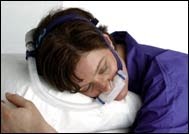


 Posts
Posts

