Showing posts with label coffee. Show all posts

Wednesday, September 29, 2010

Consider your Sleep Before Springing for Free “Holiday” Coffee or Beer

September 29th is a special day for savvy savers. The date is dedicated to two free beverage-based holidays you’ve probably never heard of until today.

National Coffee Day, presently the top trending topic on Google, is making mainstream headlines because everyone loves a good giveaway. Many Dunkin’ Donuts locations and regional coffee chains are offering free java to commemorate National Coffee Day.

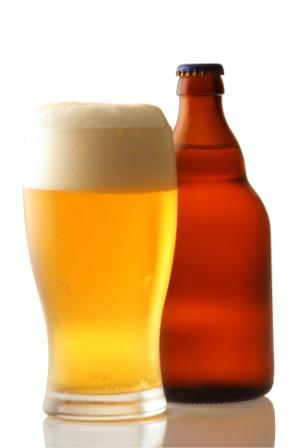
Not to be overshadowed by the bitter beverage, Budweiser is promising free beer for National Happy Hour, starting September 29th. The catch is the brewer can’t say which bars are offering free beer due to some state and local liquor laws.

Did we mention both coffee and beer are terrible for your sleep? Caffeine use, especially at the wrong time of day, can cause insomnia. Some people - especially nurses as a recent survey reported - lean heavily on coffee to make up for lost sleep. That can turn into a vicious cycle that continually steals your sleep.

Alcohol is sneakier about stealing your sleep. Drinking can make you fall asleep faster, but you’ll wake up feeling unrested. Alcohol changes your sleep architecture so you spend more time in deep sleep at the expense of restful REM sleep.

If you must drink coffee, make sure it’s in the morning or early in your work shift. And don’t overdo it or you’ll feel some unpleasant side-effects.

To Budweiser’s benefit, happy hour is the best time to consume alcohol. Drink in moderation in the early evening so your body will process the alcohol before bedtime.

Wednesday, May 12, 2010

Study: Caffeine beneficial for shift workers

If you work overnights, drinking a cup of coffee early in your shift might not be a bad idea, new research suggests.

A review of several studies published in the May issue of the Cochrane Database of Systematic Reviews found caffeine appears to help cut down mistakes on the job for shift or nighttime workers.

Researchers analyzed the findings of 13 studies examining the effects of caffeine on workers

Most of the studies took place at simulated workplaces inside sleep laboratories. Subjects took caffeine in the form of coffee, energy drinks, pills and caffeinated foods.

Compared to placebos, caffeine was associated with better overall cognitive performance.

Shift workers who took caffeine made fewer errors than those who took naps.

The review was not able to pin down if caffeine could reduce the frequency of work injuries because of a noticeable gap in previous research.

The authors are cautiously supportive of using caffeine to get through shift work.

Past studies have shown caffeine can negatively impact daytime sleep. However AASM task force found your sleep is unlikely to be disrupted if you consume caffeine more than 8 hours before bedtime.

Combining caffeine at the start of an overnight shift with an evening nap may be your best option. A 2006 study found that can improve job performance and reduce sleepiness.

Image Courtesy Ladik

Wednesday, January 28, 2009

Sleep, Caffeine & the Starbucks Effect

Bloomberg.com reports that Starbucks stores are going to stop the continuous brewing of decaf coffee after 12 p.m. The move is part of an effort to save $400 million by September.

You’ll still be able to request a decaf coffee in the afternoon. But you’ll have to wait about four minutes for brewing time. The company reports that demand for decaf coffee in some of its stores tends to drop after noon.

This is likely due to the timing of the body’s sleep-wake pattern. A natural
“dip” in alertness tends to occur in the afternoon. So it is tempting to rely on caffeine in the afternoon to fight off sleepiness.

Caffeine is a drug that is a quick-acting stimulant. It reaches a peak level in your blood in 30 to 60 minutes. But it also can stay in your system for hours. This may cause problems when you try to go to sleep at night.

A
new review looked at studies of how caffeine affects your sleep. One study shows that people who don’t consume caffeine may sleep longer and have a better quality of sleep. Another study found that people may have less trouble falling asleep on days when they drink decaf coffee.

Choosing decaf is still likely to give you a small dose of caffeine. A
study found that a Starbucks decaf espresso may have 3 mg to 15.8 mg of caffeine. A 16-ounce serving of a Starbucks decaf brewed coffee may have 12 mg to 13.4 mg of caffeine.

In contrast, Starbucks reports that a
regular espresso may have about 75 mg of caffeine. But it’s the 16-ounce, “grande”-size Starbucks coffee that really tips the scales. It may have 330 mg of caffeine. Another study shows that this is the same caffeine content as six, 12-ounce cans of Mountain Dew. It’s also the same as two cans of an energy drink like No Fear.

Starbucks also reports that actual caffeine content can vary greatly. That’s exactly what
another study found. Researchers bought a 16-oz cup of the same type of coffee from one coffee shop for six straight days. They found that the caffeine levels ranged widely from 259 mg to 564 mg.

So in the afternoon you may want to skip the coffee and choose a drink with a lower caffeine level instead. Try a soda or a cup of brewed tea. Better yet, avoid caffeine and take a quick 20-minute nap; a study shows this may be your best option for an afternoon boost.