
Insomnia is highly prevalent in patients with chronic obstructive pulmonary disease (COPD), a new study shows. A group of 72 military veterans in Tucson with COPD were studied for a week. Researchers determined that 27 percent of them had insomnia. Smokers and those experiencing sadness and/or anxiety had higher odds.
Patients with insomnia had a worse quality of life and a higher incidence of daytime sleepiness. They slept for less hours and less efficiently. COPD patients who used oxygen, however, had a lower risk for developing insomnia. The study was published in the March edition of the journal SLEEP.
Learn more about insomnia due to a medical condition or sleeping short of the average hours for an age group. Or read additional blog posts about insomnia.
Showing posts with label insomnia. Show all posts
Showing posts with label insomnia. Show all posts
Wednesday, March 7, 2012
Monday, January 9, 2012
Short sleep, mental health problems predict long-term insomnia
 Mental health problems and getting less than six hours of sleep play key roles in the persistence of insomnia. A study in the January edition of SLEEP found these risk factors in people experiencing insomnia for at least 7½ years. Smoking, caffeine and alcohol consumption, and sleep apnea did not predict persistent insomnia.
The study looked at 1,395 random subjects who reported having insomnia 7½ years earlier. Researchers found that 44 percent of them still had insomnia. Nearly a third (30 percent) were sleeping poorly but 26 percent were sleeping normally again. Those who still had insomnia had strong links to mental health problems and short periods of sleep. Depression was the most common mental health problem reported.
Researchers concluded that addressing mental health issues should be a priority in cases of chronic insomnia. They also suggested that people sleeping less than six hours were strong candidates for chronic insomnia. The study was done by Pennsylvania State University, and the universities of Athens and Crete, both in Greece.
Read more about insomnia due to medical condition, alcohol or drugs or mental disorders.


Wednesday, December 14, 2011
Intermezzo approved for as-needed treatment of sleep interruptions
The Food and Drug Administration (FDA) has approved a new sleep aid for people who wake in the middle of the night. Intermezzo was approved Nov. 23 for as-needed treatment when nighttime awakening is followed by difficulty returning to sleep. It’s the first drug used to treat insomnia with middle-of-the-night dosing. Intermezzo is to be taken at least four hours prior to awakening, the FDA said.
Driving safety was demonstrated through a driving study. Men and woman were tested. There was no significant effect on driving four hours after taking Intermezzo. However, the FDA said a significant effect was observed after three hours.
The key ingredient in Intermezzo is zolpidem tartrate. Zolpidem tartrate has been marketed as Ambien since 1992, and under several generic formulations. The FDA said the recommended dose for Intermezzo is 1.75 mg for women and 3.5 mg in men.
Other methods are also used to treat insomnia. Read more about sleep disorders and sleep medication from the American Academy of Sleep Medicine.
Friday, September 2, 2011
Insomnia is costing us more than just lost sleep

Findings were compiled from a sample of 7,428 employees who were a part of the larger American Insomnia Study. Employees answered questions about their sleep habits and their work performance. According to the study, other estimates have been done before. However, they relied on smaller samples, as well as medical databases that only focused on insomnia patients who had been treated already.
Insomnia rates in the sample were about 23% in employees. It was found to be lower in workers who were 65 and older. Insomnia rates were higher among working women than working men.
Researchers say that these findings could justify adopting screening and treatment programs in the workplace. On average, the cost of treating insomnia can be anywhere from $200 a year for a sleeping pill or up $1,200 for behavioral therapy.
The study also found that insomnia rates were lower in people with less than a high school education and in college graduates. People with a high school education or a little college education had higher rates of insomnia.
Photo By: Mircea Turcan
Photo By: Mircea Turcan
Thursday, August 4, 2011
Staying asleep: The other side of insomnia

Stare at the ceiling. Toss and turn. Glare at the clock. Toss and turn. It’s the typical pattern of insomnia
But did you know that there is more than one symptom of insomnia? A new study of insomnia symptoms emphasizes that having trouble falling asleep is only part of the problem. And it’s not even the most common insomnia symptom. The results are published in the Aug. 1 issue of SLEEP.
The study involved 6,791 adults. They completed telephone surveys as part of theAmerica Insomnia Survey (AIS). Insomnia was measured using the Brief Insomnia Questionnaire (BIQ). An estimated 24 percent of AIS participants had insomnia.
Results show that staying asleep was a bigger problem than falling asleep. Among people with insomnia, 61 percent had trouble “maintaining” sleep. They often woke up during the night. Also, 52 percent of people with insomnia woke up too early in the morning.Only 38 percent of insomniacs had trouble “initiating” sleep. It took them at least 30 minutes to fall asleep at night.
In fourth place was “nonrestorative” sleep. Twenty-five percent of people with insomnia reported waking up still feeling tired or unrested.
In fourth place was “nonrestorative” sleep. Twenty-five percent of people with insomnia reported waking up still feeling tired or unrested.
Symptom combos also were common. More than half of people with insomnia had two or more of the four symptoms. The study also measured the rates of 21 medical conditions.
What were the most common problems? About 50 to 60 percent of people with insomnia had chronic back or neck pain, or other chronic pain. Seasonal allergies also were common. People with insomnia also rated their health lower than people without insomnia.
Many proven treatments for insomnia are available. Both cognitive behavioral therapy and medications are effective. A board-certified sleep specialist can determine which treatment is best for you.
Contact an AASM-accredited sleep disorders center if you have an ongoing problem with insomnia.
Read more blog posts about insomnia.
Photo by: robotbrainz
Thursday, June 30, 2011
Cooling Cap Could Provide Insomnia Relief

There is no easy cure for insomnia. Sleeping pills appear to be a quick fix, but the potential for psychological attachment and rebound insomnia make medication for insomnia a solution for short-term problems only. Alternatively, you can seek cognitive behavioral therapy to help eliminate the harmful thoughts and bad habits that promote extended periods of insomnia. This solution is very effective but also time-consuming and requires effort and dedication.
New research presented at SLEEP 2011, the 25th Anniversary Meeting of the Associated Professional Sleep Societies LLC (APSS), suggests another treatment choice for insomnia may be on the horizon. The potential treatment would use a cooling cap that would lower your brain temperature to help you fall asleep.
Normally, a reduction in brain metabolism occurs as you fall asleep. However, during insomnia, the brain metabolism increases, keeping you awake. The cap helps reduce metabolic activity by cooling the front half of the brain.
The study involved 24 people. Half of the participants had insomnia. Each was subjected to several overnight sleep studies while wearing the cooling cap. The settings for the cooling cap differed each night, ranging from maximum amounts of water cooling to not wearing the cap at all.
Results show patients who wore the cooling cap set to its maximum level slept nearly as well as the subjects who didn’t have insomnia. These findings suggest the device could be a new promising therapy for insomnia sometime in the future. The treatment is still a long ways off; more studies will need to be conducted before the device can hit the marketplace.
Tuesday, March 15, 2011
Why Accidents Increase After Daylight Savings Switch

Was traffic noticeably slower on your morning commute these past couple of days? If so, blame daylight saving time. The “spring forward” is believed to cause a temporary spike in traffic incidents. A 1998 Canadian study found that auto accidents may increase as much as 17 percent immediately following the time change.
Media outlets tend to report a few theories on why accidents swell after the spring time change. Each seems reasonable at first glance:
Media outlets tend to report a few theories on why accidents swell after the spring time change. Each seems reasonable at first glance:
- Drivers acclimated to commuting after the sun is already out may find themselves blinded by the sunrise or driving in the dark.
- More drowsy drivers are on the road after difficulty falling asleep at the regular time due to the spring forward.
- Some people recklessly rushed to work after forgetting to reset their alarm clocks and accidently oversleeping.
The authors of the Canadian study argue drowsy driving – rather than the other two factors – is why the frequency of accidents escalates after the time change. The study found the only significant increase in accidents occurred during the afternoon commute. That finding appears to rule out an early sunrise or forgetfulness as the reason for an increase in accidents.
Last week, the Sleep Education Blog shared some tips to better brace for the time change but not everyone spends days preparing for the hour of lost sleep. The blog also reported that well-intentioned evening types may still struggle because falling asleep even slightly earlier than normal may be difficult. It may take weeks, but most of the people who fall under either category will eventually adjust and become safer drivers once again.
The “fall back” in November appears to have the opposite effect of the “spring forward”: a sudden temporary decrease in accidents, according to the study. However, that may be quickly negated by Seasonal Affective Disorder (SAD), which tends flare up with the fall time change. SAD may lead to increased daytime sleepiness, which potentially, could mean more drowsy drivers on the roadways during the winter months.
Do you find yourself nodding off at the wheel on a regular basis? You may have a sleep disorder that prevents you from getting regular restful sleep. Schedule an appointment with a clinical sleep specialist and find out if you have sleep apnea or seek treatment for insomnia.
Photo by Slinkydragon
Wednesday, March 9, 2011
Sleep in America 2011: Sleep & Technology
The powerful technology that keeps us connected, entertained and informed is deeply engrained in our lives and our culture. We carry around phones as powerful as personal computers, a movie about Facebook almost won the Oscars and every new Apple product announcement is celebrated like a national holiday. We can – and often do – spend the entire day in front of a screen, using a desktop computer at work all day, an iPhone on the commute or at the gym and a tablet or e-reader at home.
So maybe we’re overdoing it with all these gadgets. For all of the societal benefits, there are some drawbacks. We’re less active and we’re getting fatter. Our children face the threat of bullying online as well as the schoolyard. And our many devices are keeping us from getting enough sleep each night.
Sleep problems related to technology have been a recurring topic on Sleep Education Blog. This year, the annual Sleep in America Poll also focused on technology and sleep. The National Sleep Foundation released the results of its 2011 Sleep in America Poll earlier this week.
The findings are no surprise - Americans are using technology before bedtime and they’re not getting enough sleep. Out of the more than 1,500 people surveyed, 95 percent use some type of electronic device within an hour of going to bed at least a few times a week.
Results show 43 percent of Americans rarely sleep well on weeknights and 60 percent regularly have insomnia, snore or wake up un-refreshed in the morning. Nearly two-thirds admit to sleeping less than the recommended 7-8 hours per night. About 15 percent of adults and 7 percent of children are seriously sleep deprived – logging less than six hours of sleep during the week.
Technology use and sleepiness is generational, as the 2011 Sleep in America Poll demonstrates. Millennials are more connected than their parents. Older generations watch more television while younger generations prefer the interactivity of video games, computers or mobile devices.
Younger generations are also sleepier, the poll reports. About 1 in 5 millenials rated themselves as sleepy using the Epworth Sleepiness Scale compared to only about 1 in 10 baby boomers and generation x’ers.
Sleep changes as you age. Teenagers and young adults may have difficulty falling asleep in the early evening because their circadian rhythms prefer the night. Early start times for school or work leave almost no time for natural night-types to sleep.
Older people have their own sleep problems. The National Institute on Aging reports that older adults may produce and secrete less of the sleep-promoting hormone melatonin and as a result may get less sleep, sleep less deeply and wake up more throughout the night.
Every generation copes with sleeplessness in the same way, poll findings show. All age groups use caffeine and naps to fight fatigue. Many of the participants openly admitted that sleep deprivation affects their work, their sex lives and their ability to drive safely.
If you fit in these statistics, you might want to make some changes to your sleep hygiene. Schedule a nightly wind-down time away from the screen. Turn off your television or computer 30 minutes earlier each night and do some light chores, read a book or even a Kindle.
If a sleep disorder is keeping you from getting the rest your need, contact an AASM-accredited sleep center for help.
Tuesday, February 15, 2011
Poor Sleep Worsens Arthritis Patients’ Problems
 Pain, fatigue, disability and depression tend to be a struggle for patients with Rheumatoid Arthritis. Poor quality of sleep makes each of the symptoms worse, a study in the February issue of the Journal of Clinical Sleep Medicine reports.
Authors of the study believe treating sleep problems would greatly improve the health and quality of life of patients with Rheumatoid Arthritis. They proposed a treatment that combines prescription sleep drugs with cognitive-behavioral therapy. The Sleep Education Blog reports medications are a helpful short-term solution to sleeplessness; cognitive-behavioral therapy is the most effective way of treating solution insomnia.
Rheumatoid Arthritis is an inflammatory disease that causes pain, swelling stiffness and loss of function in the joints. The disease affects about 1.3 million Americans, many of whom cannot carry out daily activities such as dressing, walking, grooming and writing.
The study involved 162 patients who were diagnosed with Rheumatoid Arthritis at least two years prior to the study. Patients had an average age of about 58 years, and more than three-quarters were female. At the start of the study, the subjects answered questions about sleep quality, depression, fatigue, disability and pain as well as their medical history.
Results show more than half of the patients were poor sleepers. Through analysis, researchers linked poor sleep to higher levels of depression, increased fatigue, greater pain severity and greater functional disability.
The authors of the study determined that pain and fatigue from Rheumatoid Arthritis may in turn cause sleep problems. A third of the patients reported sleep problems due to pain.
The results are similar to findings from an October study that examined patients with non-inflammatory forms of arthritis. That study found near 23 percent of patients with other forms of arthritis have sleep-related complaints.
Tuesday, February 8, 2011
Short Sleep Adds to Colon Cancer Risk
 A new study shows sleeping less than six hours per night may increase your risk to develop a key sign of early colon cancer by about 50 percent. Patients who reported short sleep durations are far more likely to be diagnosed with colorectal adenomas, a precursor to cancer tumors.
The study involved 1,240 patients scheduled for colonoscopies. The screening results found about 350 of the patients had colorectal adenomas.
Prior to the screening, each patient answered questions about sleep habits from the Pittsburg Sleep Quality Index. Patients reported their overall sleep quality during the past month, frequency of insomnia and other details related to sleep.
Study results show colorectal adenomas appeared more frequently among patients who said they slept fewer than six hours each night. The findings were adjusted for other risk factors for colon cancer, such as family history, smoking and obesity.
It’s still not known why short sleep duration may increase the risk for colon cancer. The lead author of the study speculates it may be because of the decrease in melatonin production or the increase in insulin resistance from sleep deprivation.
Colon cancer isn’t the only serious health risk related to sleeplessness. Short sleepers have a higher risk of obesity, diabetes and heart disease. Last year a study found men with chronic insomnia have four times the risk of death compared to men who slept more than six hours per night.
The latest findings clearly demonstrate the importance of sleep to your overall health. Do your body a favor and make sleep a health priority, along with diet and exercise.
Wednesday, January 12, 2011
Did Sleep Deprivation Lead to Attack on U.S. Rep. Gabrielle Giffords?
 Politicians and pundits continue to argue whether vitriolic partisan politics inspired the shooting of U.S. Rep. Gabrielle Giffords on Saturday. Another factor that may have pushed alleged gunman Jared Lee Loughner to go on a killing spree that left six dead and 14 injured remains left out of the discussion.
Bizarre online ramblings allegedly posted by Loughner reveal he may have had insomnia prior to the Arizona attack. He writes:
“All humans are in need of sleep.
Jared Loughner is a human.
Hence, Jared Loughner is in need of sleep.”
Other passages in the YouTube rant mention sleepwalking and so-called conscious dreaming about the government. It’s unclear whether his message is intended to be literal, symbolic or just the incoherent ramblings of someone with serious mental health problems. Former classmates indicate it may be the latter.
And it all could have started with insomnia. Young adults with long-term sleep deprivation have an increased risk for mental illness, a study published last year in the journal SLEEP reported. A history of depression, anxiety or general emotional distress further raises the risk.
So was the shooting a product of partisan speech with violent undertones? Was it long-term insomnia? Or was the alleged gunman simply seriously disturbed? Chances are we will find out more in the coming months.
Wednesday, December 8, 2010
Loud Snoring and Insomnia Symptoms May Lead to Metabolic Syndrome
The development of obesity-related risk factors starts with a series of common sleep problems, a new study reports. People who snore loudly or have two common insomnia symptoms – difficulty falling asleep and unrefreshing sleep - have an increased risk of developing metabolic syndrome.
Metabolic syndrome increases the risk of heart disease, diabetes and stroke. People with metabolic syndrome must have at least three out of the five following risk factors: excess abdominal fat, high triglycerides, low HDL cholesterol, high blood pressure and high blood sugar.
Findings show people who snore have double the risk of developing metabolic syndrome doubles. Specifically, loud snoring predicts the development of high blood sugar and low HDL cholesterol.
The risk also increases by 80 percent in adults who have difficulty falling asleep and by 70 percent for people who don’t feel refreshed after waking. However, neither risk was tied to a specific risk factor.
Two other common insomnia symptoms - difficulty staying asleep and frequent waking - did not predict the development of metabolic syndrome.
Monday, December 6, 2010
Sleep Suffers in Wartime Deployment
 Despite months or even years of preparation, many troops will struggle to sleep for some time after they arrive in Iraq or Afghanistan. Insomnia affects about 28 percent of deployed American troops, a study in the December issue of the journal SLEEP suggests.
The symptoms may not improve when the tour of duty is over. 21 percent of troops reported difficulty sleeping after returning home to the United States. Troops may have twice the risk of insomnia if they had poor health or mental health problems such as depression or posttraumatic stress disorder prior to deployment.
The study involved 41,225 troops from all service branches and components of the U.S. military, including active duty and Reserve/National Guide personnel. The participants completed a baseline survey with questions about sleep and overall health prior to deployment. About a quarter of the troops responded to a follow-up survey three years later, either in Iraq or Afghanistan, or after returning from either warzone.
Sleep duration was limited even for the troops who did not have insomnia. The average sleep time during wartime was 6.5 hours - slightly less than the recommended amount of sleep for adults. The AASM reports adults require 7 to 8 hours to be fully alert during the daytime.
Insomnia or not, lost sleep may have dire consequences. While military personnel are trained to function on little to no sleep, a single mistake may be fatal.
For us in the civilian world, the findings should come as no surprise. It’s hard to image trying to sleep to the sound of gunfire and explosions or even the prospect of an attack.
As a side note, the study also looked at mothers of young children and pregnant women who served in the military. On average, the women slept less than six hours. The authors speculate that the possibility of future deployment and separation from their families may multiply the normal stress of pregnancy and motherhood.
Photo courtesy United States Marine Corps
Tuesday, November 23, 2010
Clock Gene Levels Linked to Insomnia and Depression
 Scientists are learning why insomnia and depression are so closely interconnected. Sleep disturbances, especially early morning awakenings, are a common symptom of depression. An Ohio State University study suggests that these symptoms are related to an over-active body clock.
The so-called Clock gene helps regulate the body’s circadian rhythms. Molecular-level disturbances in the Clock gene may disrupt the 24-hour body clock, causing sleep problems.
The study compared the blood samples of people with a history of depression to those who had never been clinically depressed. The study included 60 participants; 25 spent at least five hours per week caring for a family member with dementia.
Blood analysis shows people with a history of depression had higher levels of the Clock gene. The relationship held true after statistical adjustments for age and lifestyle factors such as substance use, exercise, medical conditions and caregiving status.
Researchers also analyzed three other circadian genes, but found no statistically significant differences in gene levels between depressed and non-depressed subjects.
The authors of the study caution that the findings demonstrate there is a link, but causal direction remains unclear. In other words, further research is needed to determine whether depression causes the clock gene to be elevated, or vice versa.
Researchers explain their findings are simply a snapshot of how gene activity differs between people with and without depression.
Several other studies have attempted to explain the link between insomnia and depression.
A study published in the September 2010 issue of SLEEP suggests sleep deprivation causes depression in young adults. Every hour of sleep lost significantly raises the risk of emotional distress, a combination of high levels of depressive and anxious symptoms.
Another study presented at SLEEP 2010 in San Antonio reported similar findings, but for teenagers. Students who reported problems with daytime sleepiness were three times more likely to have depression compared to their peers.
In any case, the treatment options for depression and insomnia often overlap. While medication can help in the short term, cognitive-behavioral therapy is the best approach for lasting results. Conquering depression and insomnia takes a lot of work, but your health and happiness are worth the effort.
Monday, October 18, 2010
Sleep Complaints Common for Arthritis Sufferers
More than 10 million Americans with arthritis have regular sleep disturbances. National survey data shows an especially high rate among arthritis patients – nearly 23 percent. Only about 16 percent of people without arthritis have sleep-related complaints.
The study published in the October issue of Arthritis Care & Research analyzed findings from the 2007 National Health Interview Survey. More than 23,134 American adults answered a variety of health-related questions. Topics ranged from diet and exercise, to substance use, sleep and chronic health problems.
Nearly 1 in 5 survey respondents said they had been diagnosed with arthritis. The study did not differentiate the two types of arthritis, inflammatory and non-inflammatory. Non-inflammatory arthritis is more common and is most often caused by aging and injury.
Patients with uncontrolled pain, depression and anxiety had the highest risk, the study found. Complaints included inability to fall asleep, interrupted sleep and daytime fatigue. The authors suggest pain and joint mobility limitations related to arthritis may predict sleep problems, rather than just a diagnosis.
Sleep disturbances are often neglected as symptoms of arthritis, the study concluded. The authors contend that doctors should ask arthritis patients about sleep problems, and provide treatment.
Wednesday, October 6, 2010
Workplace Disability & The Value of Sleep
The business cost of insomnia goes beyond loss of employee productivity. Workers with regular sleep disturbances go on disability more often and take longer to return to work.
A study published in the October, 2010 issue of the journal SLEEP investigated how insomnia impacts workplace health. Researchers found sleep disturbances predicted later workplace disability for mental disorders, physical illnesses and musculoskeletal disorders.
The study followed more than 56,000 active public employees in Finland for more than three years. Each of the government and public hospital employees was surveyed about sleep disturbances and preexisting health conditions at the start of the study. The authors used national records to identify which employees went on disability during the follow-up after three years.
Workers who had existing medical conditions, used prescribed pain killers or regularly performed manual labor were most likely to report severe sleep disturbance which occurred more 5-7 days per week.
Over the course of the study, 7 percent of the employees went on disability. About 1 in 3 never returned to work. Statistical analysis shows people who reported sleep disturbances had a higher likelihood of going on work disability and not returning to work. The results were adjusted for complicating factors such as shift work, depression and preexisting health problems.
Worker disability is only one of the business costs of sleep disturbances. Insomnia can also make you worse at your job.
Sometimes your job may be the source of the sleep problems. In 2009 the Sleep Education Blog reported on studies that tied high stress work and low social support at the workplace to long-term insomnia.
Tuesday, September 21, 2010
Childhood Money Troubles Lead to Insomnia Later
Times of financial uncertainty are understandably cause for insomnia. Worry about how to pay the mortgage and put food on the table kept many women awake in bed during the height of the recession in late 2008.
In 20 years, many of their children will struggle to sleep, regardless of their financial state. Growing up in a family with financial difficulties raises the risk of insomnia later in life, a new study found.
The findings published in the September issue of the journal Sleep Medicine shows how difficult economic times can affect us our entire lives.
The study surveyed 8960 government employees in Helsinki, Finland about their economic circumstances and quality of sleep. The economic portion of the survey addressed childhood and current economic difficulties, education, occupation, household income and years lived in current home. Responders who complained of difficulties falling asleep, staying asleep or getting unrestful sleep had insomnia in the study.
Statistical analysis shows both men and women who had childhood economic difficulties had more frequent complaints of insomnia than their peers. Oddly, current economic conditions affected the sleep of women but not men.
Insomnia stemming from past economic problems affects the rich and the poor. The authors report the findings were the same regardless of level of education, tax bracket, age, marital status.
The study doesn’t provide an explanation for the phenomenon because statistical analysis can’t demonstrate causality.
You can’t control the past or the forces influencing the world economy, but you can control your insomnia. Learn how you can improve your sleep hygiene at Sleepeducation or see a sleep specialist at an AASM Accredited sleep center for cognitive-behavioral therapy.
Saturday, September 18, 2010
Small Study Shows Soy May Help Postmenopausal Insomnia
 Tofu may have little flavor, yet it can help older women better enjoy a good meal or dinner a conversation. Difficulty sleeping is nearly inevitable for most women post-menopause, and the fatigue it causes makes life less enjoyable.
Brazilian researchers believe estrogen-like compounds in soy beans called isoflavones help older women sleep. Women who took the compound slept better and had fewer cases of insomnia after four months compared to a placebo group. The substance also reduced hot flashes.
The study involved 38 women randomly assigned to isoflavone treatment or a placebo. The participants had all finished menopause and reported some degree of insomnia.
A sleep study showed average sleep efficiency increase from 78 percent to 84 percent after four months of treatment. The placebo group improved to 81 percent.
Self-reported cases of “moderate to intense” insomnia dropped from 90 percent to 37 percent for the soy group. In the control group the rate of insomnia dropped from 95 percent to 63 percent.
The reason why isoflavones help some old women sleep isn’t clear. Researchers say they can’t explain it without definitively knowing the source of the insomnia.
A 2008 study in the journal Sleep examined sleep during the menopausal transition. It found that hot flashes were an independent predictor of sleep quality.
Soy products are unlikely to be the so-called “magic bullet” for insomnia, but further research may show there are slight benefits. Cognitive-behavioral therapy remains the closest thing to a cure for sleeplessness.
Thursday, September 16, 2010
Sweating off Insomnia Works, New Study Contends
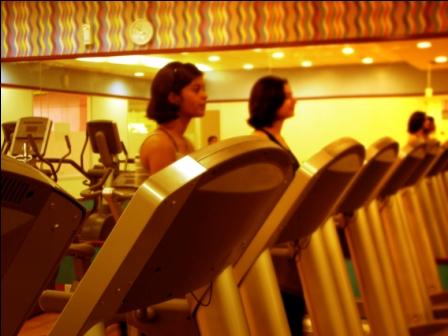 The benefit of exercise for insomnia continues to be a hotly debated topic in the sleep research community. Recently, several high-profile reports have come to conflicting conclusions on whether a workout routine can promote sleep.
The latest published study by Northwestern University researchers shifts the argument back in favor of exercise for insomnia. The article concludes that older adults can counteract the sleeplessness associated with aging by taking up an aerobic workout routine.
Many of the adults who started exercising during the study improved from poor sleepers to good sleepers. The group reported reduced depression and overall improved mood along with enhanced of sleep quality.
The study involved 23 mainly sedentary adults of average age of 55. The group was randomly assigned to either aerobic conditioning or a non-physical activity such as a cooking class or museum lecture. Only the exercise group saw improved sleep.
A June study in the Journal of Clinical Sleep Medicine came to a similar conclusion for slightly younger insomnia patients. A 50-minute jog on the treadmill 4-8 hours before bedtime helped middle-aged insomniacs sleep sooner. Moderate aerobic exercise was more effective in promoting sleep than high-intensity cardiac routines or resistance training. The authors believe the routine helps with bedtime anxiety.
Another study published in May claims the benefits are all mental. Swiss researchers found people who rated themselves as physically fit slept better, even if they were not necessarily in good physical shape.
Normal adults with no history of insomnia may not see any benefit at all, a 2003 study concluded. Wrist actigraphy demonstrated active young adults fell asleep only a minute and a half faster than their peers.
In some cases exercising can actually hurt sleep. Never exercise within a few hours of bedtime. Evening workouts run counter to the evening wind-down process and can actually make you wake up.
There’s one thing all sleep experts can agree on: exercise is important for your overall health. While insomnia may or may not improve, you’re reducing your risk of getting obstructive sleep apnea by controlling your weight and taking care of your body.
Monday, September 13, 2010
Many Non-Depressed Insomniacs Have Suicidal Desires
 Insomniacs have no shortage of alone time. Countless overnight hours are spent pondering, obsessing and agonizing over the inability to sleep and the stressful things in your life. This endless introspection may give rise to momentary suicidal desires.
The two-way relationship between sleeplessness and mental health disturbances is well documented at this point. Insomnia is both a symptom and a risk-factor for depression. In fact the DSM-IV lists disturbed sleep patterns as one of the nine main criteria for the diagnosis of major depressive disorder.
You don’t have to be depressed have suicidal thoughts with insomnia, a new study published in Sleep Medicine reports. The article concludes insomnia can predict suicidal desires, with or without diagnosable depression.
The clinical study involved 60 middle-aged patients with depression and insomnia. The subjects were prescribed the anti-depressant Prozac along with the sleeping medication Lunesta or a placebo. Over the course of the 8-week study, the patients were repeatedly assessed for insomnia, suicide ideation and depression.
Statistical analysis shows, although depression severity was directly linked to intensity of suicidal thinking, a similar relationship also holds true for severity of insomnia. Insomnia patients who were no longer depressed still had suicidal thoughts.
These findings further flesh out a disturbing revelation reported this month in the journal SLEEP. Middle-aged men with long-term insomnia are likely to die over a 14 year period. The large-scale, long-term study did not investigate the exact causes of the deaths, but it’s not too much of a stretch that some were suicides.
Like pushing through depression, conquering long-term insomnia can take hard work and dedication. Leading a longer and happier life is clearly worth the effort of working with a clinical sleep specialist to change your nighttime routine and eliminate harmful beliefs that prevent sleep.
Subscribe to:
Posts (Atom)


 Posts

